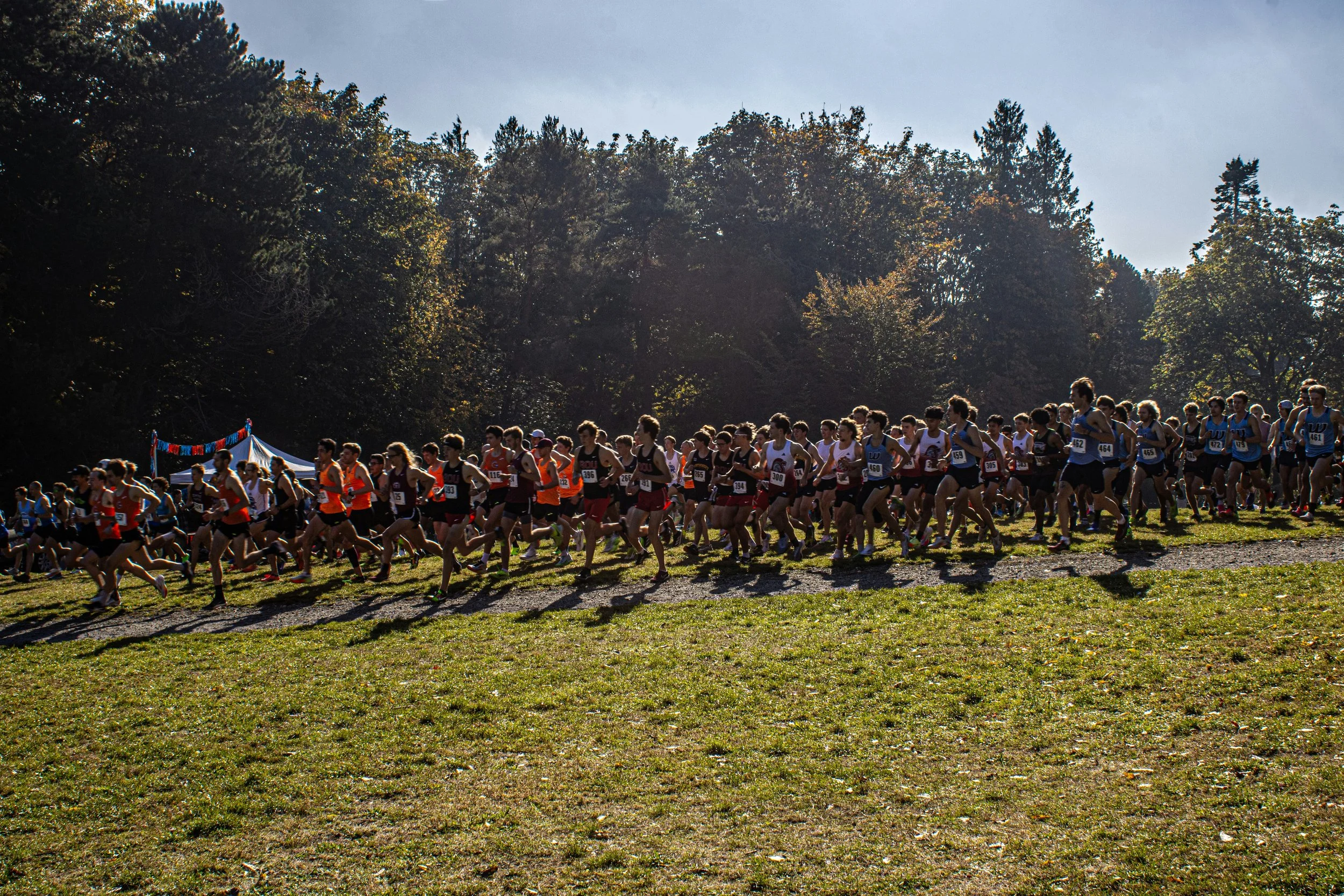
Running Your Own Race
He turned down a marquee name for a boutique fund, and I thought he was making a mistake.
He'd decided what kind of investor he wanted to become before choosing where to become it.

When No One is Paying Attention
The work that holds when no one is watching is the work that compounds.

Mentors Advise. Sponsors Speak For You.
Two people, the same work, one opportunity.
The difference was decided in a room neither of them was in.


Small Silences Can Cost The Most
Most of the moments we regret are not confrontations.
They are moments of silence - Comments we keep to ourselves, emails we never sent.

The Words That Shrink Your Best Ideas
There is a moment between knowing something and saying it out loud.
Most of us lose value in that gap.
Here is how to tell whether your caution is honesty or fear.


She almost did not say anything
If you have ever held back a view because you were not sure it was yours to give, you already know what an unrealised return feels like.

I Am the One Deciding
Agency is not a destination you arrive at. It is a practice you return to.
The decision, made again and again, to direct your energy deliberately rather than by default.
What You Have Been Doing All Along
Over the past eight weeks, one pattern has appeared in every inflection point I have named. Energy directed somewhere other than the question that would actually change the outcome.


What Staying Actually Costs
The question of whether you are staying by choice or by default is not comfortable to ask. But it generates return regardless of which direction the answer points. Asking the question is worth more than continuing without asking.
What the Disruption Clarified
Disruption has a way of removing the noise and leaving only what matters. My own retrenchment taught me this. When my function was no longer needed, I spent time in the doubt. The turning point was smaller than I expected. It came when I asked myself what I would actually miss.

What Missing a Promotion Actually Costs
What is the question worth asking about the promotion you didn’t get?
Not 'was I right to want it?' but 'what were the factors I was actually looking for?' Autonomy, influence, recognition, the ability to do different work. Are those factors still present in the environment you are in — or have they moved?

What you were actually holding
When a function comes under pressure, most high performers ask the wrong question.
Not wrong because it is irrational. Wrong because it sends energy in the wrong direction.
The question most people ask: am I still relevant?
The more useful question: what do I actually have that transfers?
WHAT TO ADAPT AND WHAT TO HOLD
In your current situation — what are you adapting that is worth holding, and what are you holding that is worth updating?


Redirect: The Bend
Every career inflection point puts the same question on the table. Not what happened. Where does your attention go now, and who is deciding?

Return on Energy Isn't a Metaphor. It's a Discipline.
But energy spent in the wrong direction for long enough extracts a price that compounds quietly, in ways that rarely show up on any performance review.

When the "right" path stared to feel wrong for me
Too many high performers optimise for what they can see, while quietly absorbing the rest.